
Iran’s first world travelers and the first Asian explorers of the North and South Poles
Iran’s first world travelers and the first Asian explorers of the North and South Poles
Issa and Abdollah Omidvar are considered among the most prominent figures of contemporary Iranian exploration and travel. Through their long-term and adventurous journeys to remote parts of the world, the two brothers documented an important part of the cultural and anthropological heritage of the last century. These days, Issa Omidvar is hospitalized due to illness and old age.
According to Chamedan News, the brothers’ roots trace back to a village in Taleqan, although they lived on Nezami Street in Tehran. Their first global journey began in 1954, launched with just 90 US dollars, two motorcycles, and the motto “All different, all related.”
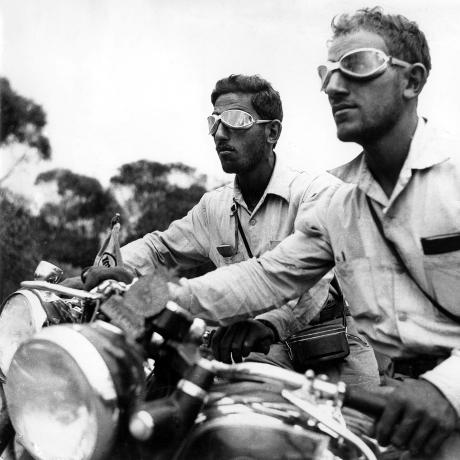
At the time, Issa was 25 years old and Abdollah was 23. This journey lasted seven years, during which they traveled through Afghanistan, Pakistan, India, Tibet, Southeast Asia, and Australia. After crossing the Pacific Ocean, they continued on to Alaska, North America, South America, and eventually Europe.
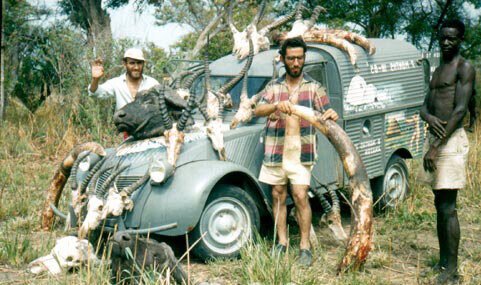
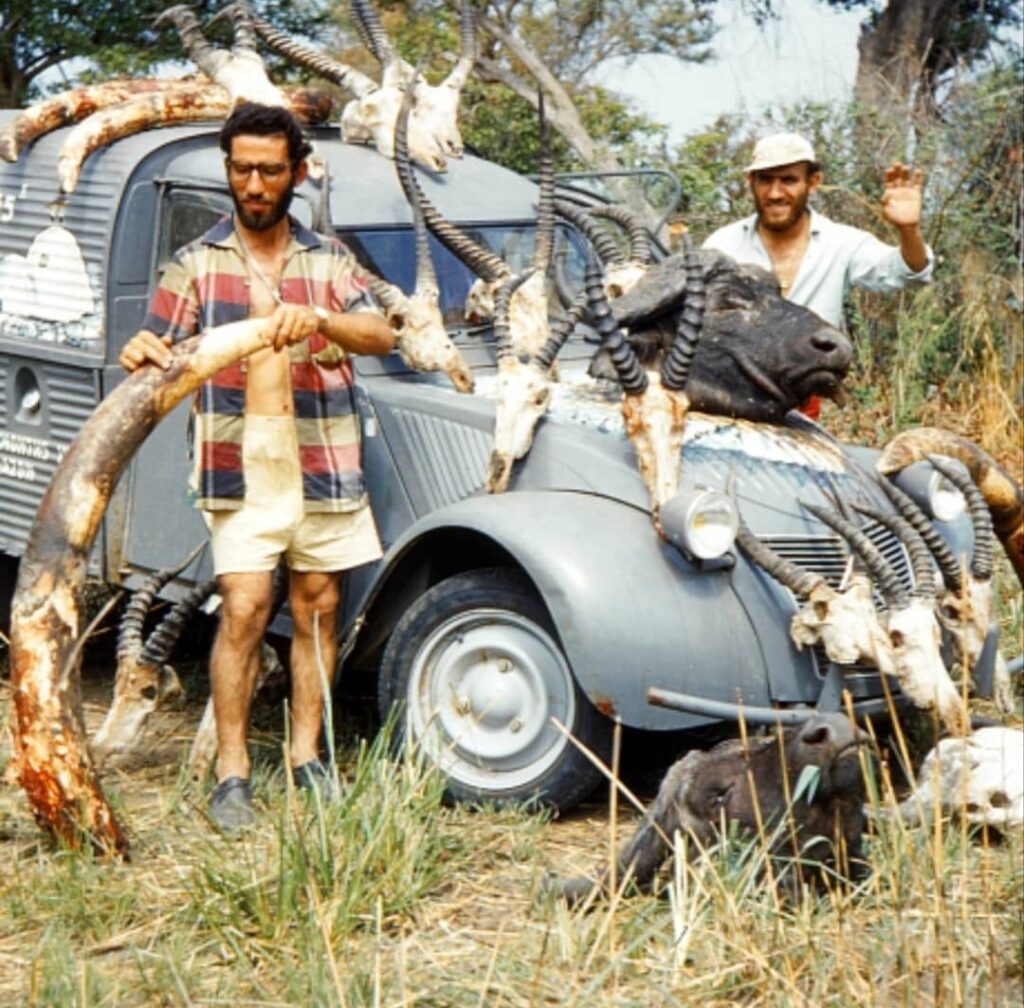
The Omidvar brothers’ second major journey began in 1961, this time using a Citroën automobile. They financed both the trip and the purchase of the car by conducting interviews with foreign media, preparing research reports, and selling these reports to the Citroën company. This three‑year journey focused on the study of African peoples and cultures, traveling from Kuwait and Saudi Arabia deep into the African continent
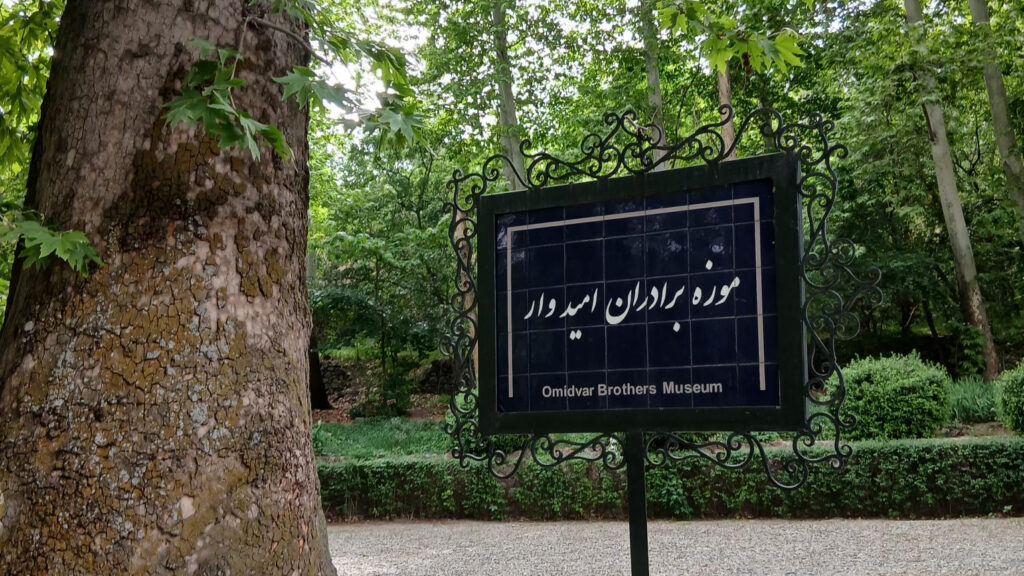
During these long journeys, the Omidvar brothers received numerous mementos and gifts from nations and ethnic groups around the world. These collections were later housed in the Omidvar Brothers Museum within the Sa’dabad Cultural‑Historical Complex—the first anthropology museum in Iran—which officially opened on September 27, 2003, coinciding with World Tourism Week. The museum preserves a wide range of indigenous handicrafts from different continents, as well as films, photographs, slides, an extensive collection of local music from various countries, and handwritten notes and signatures from prominent political and cultural figures around the world. The museum suffered serious structural damage following a U.S. and Israeli airstrike on the Sa’dabad Complex in March 2026.
In one of his interviews, Issa Omidvar explained the motivation behind embarking on such difficult adventures, saying:
“If you don’t take risks, you will never reach your true passion.”
He emphasized that their goal was to study so‑called primitive tribes and to understand the lifeworlds of people who, at the time, had no contact with the modern world. According to him, living for months alongside the Inuit, staying with Amazonian tribes, and traveling to regions where no white person had ever been seen were among their most extraordinary experiences.
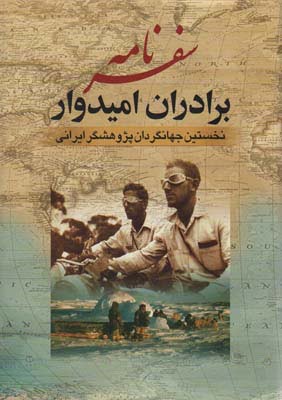
After the journeys ended, Abdollah Omidvar left Iran and moved to Chile in the mid‑1960s, where he lived for the rest of his life. He was the first Asian traveler to reach both the North and South Poles and, over the course of his professional life, produced more than 120 documentary films and traveled to over 100 countries. Abdollah Omidvar passed away on July 14, 2022, at the age of 89. Following his death, the cultural center La Moneda in Chile—of which Abdollah was one of the founders—stated in a tribute that Chile had bid farewell to one of the icons of its documentary cinema.
The Omidvar brothers recorded their memories and experiences in the book The Travels of the Omidvar Brothers. The first edition was published in 1964 with a print run of 10,000 copies, and its most recent edition was released in 2018 with a circulation of 1,100 copies.
ترجمه به فارسی
از برادران امیدوار چه میدانیم؟ نخستین جهانگردان ایرانی و اولین مسافران آسیایی قطب شمال و جنوب
عیسی و عبدالله امیدوار از شاخصترین چهرههای جهانگردی معاصر ایران به شمار میروند؛ دو برادری که با سفرهای بلندمدت و ماجراجویانه خود به اقصینقاط جهان، بخش مهمی از میراث فرهنگی و مردمشناسی قرن گذشته را ثبت کردند. عیسی امیدوار این روزها به دلیل بیماری و کهولت سن در بیمارستان بستری است.
به گزارش چمدان خبر، صالت این دو برادر به روستایی در طالقان بازمیگردد اما در خیابان نظامی تهران زندگی میکردند. نخستین سفر جهانی آنها در سال ۱۳۳۳ آغاز شد؛ سفری که تنها با ۹۰ دلار، دو موتورسیکلت و با شعار «همه متفاوت، همه خویشاوند» کلید خورد.
در آن زمان عیسی ۲۵ سال داشت و عبدالله ۲۳ ساله بود. این سفر هفت سال ادامه پیدا کرد و طی آن از افغانستان، پاکستان، هند، تبت، آسیای جنوب شرقی و استرالیا عبور کردند و پس از گذر از اقیانوس آرام، مسیر خود را تا آلاسکا، آمریکای شمالی، آمریکای جنوبی و سپس اروپا ادامه دادند.
دومین سفر بزرگ برادران امیدوار در سال ۱۳۴۰ با یک خودروی سیتروئن آغاز شد. آنها هزینه این سفر و خرید خودرو را از راه انجام مصاحبه با رسانههای خارجی، تهیه گزارشهای پژوهشی و فروش این گزارشها به شرکت سیتروئن تأمین کردند. این سفر که سه سال به طول انجامید، با هدف مطالعه اقوام و فرهنگهای آفریقا انجام شد و از کویت و عربستان تا اعماق قاره آفریقا ادامه داشت.
در جریان این سفرهای طولانی، برادران امیدوار از ملتها و قومیتهای مختلف جهان یادگارها و هدایای بسیاری دریافت کردند. مجموعه این رهاوردها بعدها در موزه برادران امیدوار در مجموعه فرهنگی تاریخی سعدآباد نگهداری شد؛ نخستین موزه انسانشناسی ایران که در ۵ مهر ۱۳۸۲ و همزمان با هفته گردشگری افتتاح شد. در این موزه انواع دستسازهای بومی از قارههای مختلف، فیلمها، عکسها، اسلایدها، مجموعه گستردهای از موسیقی محلی کشورها و همچنین دستنوشتهها و امضاهای شخصیتهای برجسته سیاسی و فرهنگی جهان نگهداری میشود. این موزه در پی حمله هوایی آمریکا و اسرائیل به مجموعه سعدآباد در اسفند ۱۴۰۴ دچار خسارتهای جدی سازهای شد.
عیسی امیدوار در یکی از گفتوگوهای خود درباره انگیزه آغاز این ماجراجوییهای دشوار گفته بود که «اگر ریسک نکنی، به عشق واقعی خودت نمیرسی.»
او تأکید کرده بود که هدف آنها مطالعه اقوام ابتدایی و آشنایی با زیستجهان انسانهایی بوده که تا آن زمان هیچ ارتباطی با دنیای مدرن نداشتند. بر اساس گفتههای او، زندگی چندماهه در کنار اسکیموها، حضور در قبایل آمازون و سفر به مناطقی که هیچ انسان سفیدپوستی در آن دیده نشده بود، بخشی از تجربههای کمنظیر آنها محسوب میشود.
عبدالله امیدوار پس از پایان سفرها، ایران را ترک کرد و در نیمه دهه ۱۳۴۰ به شیلی رفت و تا پایان عمر در همان کشور زندگی کرد. او نخستین مسافر آسیایی هر دو قطب زمین بود و در طول زندگی حرفهای خود بیش از ۱۲۰ فیلم مستند ساخت و به بیش از ۱۰۰ کشور جهان سفر کرد. عبدالله امیدوار در ۲۳ تیر ۱۴۰۱ و در ۸۹ سالگی درگذشت. مرکز فرهنگی «لاموندا» در شیلی که عبدالله از بنیانگذاران آن بود، پس از درگذشت او در بیانیهای یادآور شد که با یکی از نمادهای سینمای مستند شیلی وداع کرده است.
برادران امیدوار مجموعه خاطرات و تجربههای خود را در کتاب «سفرهای برادران امیدوار» ثبت کردند. نخستین چاپ این کتاب در سال ۱۳۴۳ با تیراژ ۱۰ هزار نسخه منتشر شد و آخرین چاپ آن مربوط به سال ۱۳۹۷ با شمارگان ۱۱۰۰ نسخه است.