

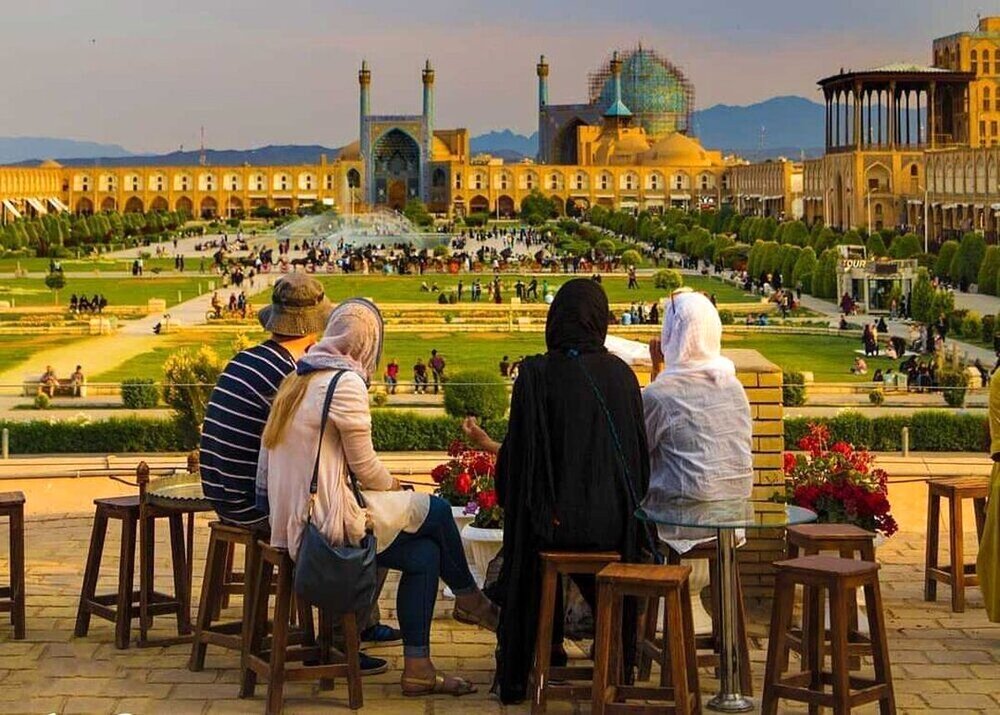
From desert towns and ancient villages to mountain fortresses, colourful mosques and the geological wonders of Qeshm, travellers shared with The Guardian some of their most memorable experiences of visiting Iran.
The Guardian once invited readers who had travelled to Iran to share short accounts of their experiences, encounters and impressions of the country.
The British newspaper, which has published several features on travel to Iran over the years, brought together a collection of first-hand stories highlighting destinations ranging from Abarkuh, Isfahan and Damavand to Varzaneh, Abyaneh, Masuleh, Shiraz, Tehran, Yazd and Qeshm.
Beyond Iran’s famous monuments, the travellers repeatedly focused on encounters with local people, traditional food, historic neighbourhoods, remote landscapes and the hospitality they experienced during their journeys.
Here are 16 of the travel experiences featured in the report.
1. Abarkuh: An Oasis in the Desert
Located between Yazd and Shiraz, Abarkuh was described by one traveller as a historic desert town with roots stretching back to the days when it stood along important trade routes.
Among its best-known attractions is an ancient cypress tree, traditionally believed to be several thousand years old.
Another major landmark is Aghazadeh Mansion, a historic house known for its remarkable windcatcher. Its traditional ventilation system uses numerous wooden openings to direct cool air through the building — an ingenious architectural response to the hot, dry climate of central Iran.
Yet for the traveller who wrote about Abarkuh, one of the most memorable moments was not a monument at all, but the possibility of being invited into a local home for tea flavoured with sugar and saffron.
2. Discovering Iran’s Ancient Athletic Tradition in Isfahan
Visitors to Isfahan may know the city for Naqsh-e Jahan Square, its mosques, bridges and bazaars, but one Guardian reader highlighted a very different cultural experience: watching a traditional zurkhaneh performance.
Zurkhaneh, literally meaning “house of strength”, combines physical exercise, rhythmic movement, music, chanting and elements of Persian heroic culture.
Inside the traditional sunken arena, athletes perform a sequence of movements using specialised equipment while a morshed, or master, sets the rhythm with a drum and recites poetry and religious or epic verses.
For foreign visitors, gaining access to a traditional zurkhaneh can sometimes be easier with the help of a local resident or guide.
3. Travelling Independently Through Iran
Another contributor reflected on the experience of travelling independently rather than as part of an organised tour.
The writer noted that visa procedures could be one of the more complicated aspects of arranging a trip to Iran, depending on a traveller’s nationality and the regulations in place at the time.
But independent travel, the contributor suggested, created more opportunities for spontaneous encounters with Iranians.
What stood out most was the hospitality of ordinary people: conversations with strangers, expressions of curiosity towards foreign visitors and, repeatedly, invitations to sit down for a cup of tea.
4. Exploring Damavand and Its Surroundings
Around 70 kilometres east of Tehran lies Damavand, a small city associated with one of Iran’s most recognisable natural landmarks: Mount Damavand.
The snow-capped mountain dominates the surrounding landscape and holds an important place in Persian mythology and literature.
The region also attracts travellers interested in hiking, mountaineering and winter activities. The Abali ski area is located nearby, while waterfalls, mountain scenery and rural settlements provide further opportunities for exploring the region.
The area is also known for locally produced honey.
For travellers who want to escape Tehran’s urban landscape without travelling too far from the capital, Damavand can offer an accessible introduction to Iran’s mountainous countryside.
5. Sunset Over the Varzaneh Desert
Not far from Isfahan lies Varzaneh, a small desert town surrounded by striking landscapes.
One traveller recalled arriving at a small guesthouse and being welcomed warmly by local residents. The town itself immediately caught the visitor’s attention because of a distinctive local tradition: women in Varzaneh are known for wearing white chadors rather than the black garments more commonly seen elsewhere.
The surrounding region was another highlight.
Excursions from Varzaneh can lead visitors towards salt flats, wetlands, desert landscapes and unusual geological formations.
Watching the sun set over the dunes, with the desert stretching towards the horizon, was among the experiences that left the strongest impression on the traveller.
6. Hidden Fortresses in the Alborz Mountains
For travellers willing to venture beyond Iran’s major cities, the Alborz Mountains reveal another side of the country’s history.
One Guardian reader recommended travelling from Tehran towards Qazvin before continuing into the mountains to explore medieval fortresses associated with the Nizari Ismailis.
Among the most famous are Alamut and Lambsar castles.
Built in dramatic mountainous locations, these fortresses overlook deep valleys and rugged peaks, making the journey as much about the landscape as the archaeological remains themselves.
The traveller compared the remote atmosphere of the sites to historic mountain strongholds in Europe.
Villages scattered throughout the region, including settlements such as Zarabad, add another dimension to a journey through the Alborz.
7. The Unique Heritage of Abyaneh
Abyaneh is one of Iran’s best-known historic villages.
Located in the mountains of Isfahan Province, not far from Natanz and within travelling distance of Kashan, the village is instantly recognisable for its reddish earthen architecture and steep, narrow lanes.
Its traditional houses rise along the mountainside, creating a tiered settlement that appears almost to merge with the surrounding landscape.
Local dress is another distinctive feature of Abyaneh. Women have traditionally worn colourful floral scarves, while men are known for their loose traditional trousers.
The village has also preserved cultural traditions and a local dialect that distinguish it from many other parts of Iran.
For the Guardian traveller, however, Abyaneh’s architecture and traditions were accompanied by something encountered repeatedly throughout the trip: the warmth and hospitality of local residents.
8. Morning Light at Nasir al-Mulk Mosque in Shiraz
One traveller recommended beginning a day in Shiraz early, with a visit to Nasir al-Mulk Mosque.
Often referred to by international visitors as the Pink Mosque, the building is particularly famous for its stained-glass windows.
In the morning, sunlight passes through the coloured glass and projects vivid patterns across the mosque’s interior, creating one of Shiraz’s most photographed scenes.
From there, visitors can continue through the historic centre towards Karim Khan Citadel, traditional religious schools and Shiraz’s famous bazaar.
The traveller also recommended stopping to try faloodeh Shirazi, the city’s traditional frozen dessert made with thin starch noodles and flavoured syrup.
Together, these experiences offer a compact journey through Shiraz’s architecture, religious heritage, bazaars and culinary traditions.
9. Joining Nature Tours With Young Iranians
Iran’s cities and archaeological sites attract much of the international attention, but several travellers have discovered the country through hiking and nature tours.
One Guardian contributor described joining a three-day trip organised through social media alongside a group of young Iranian adventurers.
The group travelled into the mountains near Masal in northern Iran, hiked through the highlands and spent the night in a remote mountain village.
One of the most memorable aspects of the experience was the absence of digital connectivity.
With no mobile signal or Wi-Fi for long stretches of the journey, the traveller experienced an unusual sense of isolation from everyday communications — and a closer connection with the surrounding landscape.
10. The Geological Wonders of Qeshm Island
Qeshm Island, in the Strait of Hormuz, offers some of Iran’s most unusual natural scenery.
Travellers can reach the island by air or travel south towards Bandar Abbas and continue by sea.
The Qeshm Global Geopark is particularly well known for landscapes shaped over thousands of years by erosion, wind and water.
Canyons, valleys, salt formations, coastal environments and sculpted rock formations create scenery that can appear almost otherworldly.
Visitors do not need to be geologists to appreciate the island’s unusual terrain.
One traveller also recalled staying in a local home in the village of Tabl and highlighted the simplicity, cleanliness and hospitality of the experience.
For many visitors, Qeshm is not simply a beach destination but an opportunity to explore the natural and cultural landscapes of southern Iran.
11. Breakfast on the Rooftops of Masuleh
Few Iranian villages have a landscape quite like Masuleh.
Built into a green mountainside in northern Iran, the historic settlement is famous for its unusual stepped architecture, where the roof of one house may serve as a pedestrian path or courtyard for the building above it.
A Guardian reader who visited Masuleh with an Iranian partner recalled arriving beneath a star-filled sky and waking the next morning to an unforgettable mountain view.
Breakfast was enjoyed on the rooftop of their accommodation, with fresh bread, saffron, tea and carrot jam.
The journey then continued towards Rudkhan Castle, another major attraction in Gilan Province.
The memory illustrates why northern Iran often leaves such a strong impression on visitors: lush landscapes, historic settlements and traditional food come together within relatively short distances.
12. Golshan Traditional Hotel in Shiraz
Hospitality itself became one of the attractions for another traveller visiting Shiraz.
The contributor singled out Golshan Traditional Hotel as an example of the intimate atmosphere found in some of Iran’s historic guesthouses.
The property was described as having a peaceful courtyard with blue tiles, water features and climbing vines — an environment well suited to resting after exploring the city.
For the traveller, sitting quietly in the courtyard with a cup of tea captured something essential about the experience of staying in a traditional Iranian house.
Such properties have become popular among visitors seeking an alternative to conventional hotels, particularly in historic cities such as Shiraz, Kashan and Yazd.
13. A Golestan in the Heart of Tehran
Tehran may be a vast modern metropolis, but at its historic centre stands one of Iran’s most important royal complexes: Golestan Palace.
The UNESCO-listed palace complex reflects several periods of Iranian history and displays the interaction between Persian artistic traditions and European influences.
One traveller highlighted the Marble Throne and the dazzling Mirror Hall among the most memorable parts of a visit.
The palace’s decorated chambers, gardens, tilework and mirrored interiors provide a dramatic contrast to the busy streets surrounding it.
Nearby, Tehran’s Grand Bazaar offers another experience entirely.
Together, Golestan Palace and the bazaar introduce visitors to the historical core of a city more commonly associated with traffic, modern neighbourhoods and urban expansion.
14. Tea, Coffee and an Afternoon in Isfahan
For another traveller, exploring Isfahan was as much about cafés and tea houses as it was about monuments.
The city’s traditional tea houses provide a glimpse into an older form of Iranian social life, while newer coffee shops reflect the contemporary culture of younger generations.
One particularly memorable stop was the Azadegan Tea House near Naqsh-e Jahan Square.
Its interior is famous for walls and ceilings densely decorated with teapots, lamps, photographs, antique objects and other curiosities.
Elsewhere in the city, particularly around Chaharbagh Abbasi, visitors can find modern cafés serving different styles of coffee in contemporary settings.
Moving between the two offers an interesting way to experience both traditional and modern Isfahan in a single afternoon.
15. Bam: A Green Oasis Beside the Desert
Bam, in Kerman Province, was devastated by a powerful earthquake in December 2003.
The disaster caused widespread destruction and severe damage to Arg-e Bam, the monumental mud-brick citadel for which the city is internationally known.
Years of restoration work have since helped revive important parts of the historic complex.
Visitors can also discover another side of Bam beyond its citadel.
Despite its desert surroundings, the area contains gardens and groves filled with date palms, citrus trees and pomegranates.
Its location also makes Bam a starting point for journeys into the landscapes of southeastern Iran and the surrounding desert.
The contrast between ancient earthen architecture and green agricultural areas makes the oasis city one of the most distinctive destinations in the region.
16. Witnessing Ashura in Yazd
The final experience highlighted by a Guardian reader concerned Yazd during Ashura, one of the most important dates in the Shia Muslim religious calendar.
Ashura commemorates the martyrdom of Imam Hussein, the grandson of the Prophet Muhammad, at the Battle of Karbala in 680.
Across Iran, communities mark the occasion with religious gatherings, processions, recitations and mourning ceremonies.
The traveller described observing large groups of worshippers participating in rituals while the story of Karbala was recounted.
Visitors may also encounter the widespread tradition of distributing nazri — food prepared and offered free of charge as part of religious observances.
Yazd is particularly well known for its elaborate mourning traditions and large communal ceremonies.
For international visitors, witnessing Ashura can provide a powerful insight into the religious and social traditions that continue to shape public life in many Iranian communities.
Iran Through the Eyes of Travellers
Taken together, these accounts present a picture of Iran that extends far beyond its most famous tourist attractions.
Historic mosques, palaces, deserts and mountain villages certainly play a major role in the journeys described by Guardian readers. But the experiences travellers remembered most often were remarkably personal: drinking tea with strangers, eating breakfast on a rooftop, joining young hikers in remote mountains or being welcomed into someone’s home.
From the desert architecture of Abarkuh and Varzaneh to the green mountains of Masuleh, the rock formations of Qeshm and the historic streets of Shiraz and Isfahan, the stories reveal the extraordinary variety of landscapes and cultures found across Iran.
Above all, they reflect a theme that has appeared repeatedly in travel accounts about the country: for many foreign visitors, encounters with Iranian people become as memorable as the destinations themselves.
ترجمه به فارسی
انتشار 16تجربه از سفر به ایران در گاردین
روزنامه گاردین چندی پیش از خوانندگان خود که به ایران سفر کردهاند، خواسته بود از تجارب خود در این سفر و شرایطی که با آن روبهرو شدهاند، یادداشتهایی 100 کلمهای بنویسند. این روزنامه که پیش از این نیز در مورد سفر به ایران گزارشهای متعددی چاپ کرده، اکنون در فضای پسابرجام یکی از مهمترین رسانههایی است که سفر به ایران را در میان خوانندگان خود رواج میدهد. گاردین این بار در گزارش خود و به قلم مخاطبانش، به معرفی و بررسی تجارب سفر به ابرکوه، اصفهان، دماوند، ورزنه، ابیانه، ماسوله، شیراز، تهران، یزد و همچنین دیگر مکانهای مهم دیدنی در این شهرها پرداخته است.
ابرکوه، واحهای در دل کویر
گاردین درباره ابرکوه نوشته است: «شهر کویری ابرکوه، بین یزد و شیراز، شهری سرسبز در جاده ابریشم قرن دهم میلادی بوده و به شدت در حمله افغانها در میانه سده 18 آسیب دیده است. در این شهر یک سرو 4 هزار ساله، یکی از بهترین کافیشاپهای ایران و خانه آقازاده وجود دارند. خانه آقازاده که بادگیرهایی با دو برابر اندازه دارد و به خوبی مرمت شده است، از 19 دریچه چوبی برای رساندن هوای خنک به خانه استفاده میکند. اگر شانس بیاورید، ممکن است به خانه کسی مانند امیررضای 12 ساله برای نوشیدن چای شیرین با شکر و زعفران دعوت شوید.»
ورزش کهن در اصفهان
این گزارش به گردشگری ورزشی در اصفهان نیز پرداخته و در این خصوص نوشته است: «وقتی به اصفهان میروید، از تماشای زورخانه که شکلی از ورزشی 3 هزار ساله است و برای تعلیم دادن جنگجویان مورد استفاده قرار میگرفته، غافل نشوید. در این ورزش، مردانی با شلوارهای چرمی با موسیقی پر سر و صدا، حرکات نوسانی انجام میدهند که با آواز خواندن همراه است. یافتن جا در گودهای زورخانه دشوار است؛ مگر اینکه از یک فرد محلی یا راهنما بخواهید تا برای شما یک صندلی در کنار زنگ زورخانه بیابد.»
سفر مستقل
طبق گزارش گاردین، بریتانیاییها فکر میکنند انسان نیازی به راهنمای تور ندارد. اما در صورت سفر مستقل به ایران، فرآیند صدور ویزای این کشور همچنان دشواریهایی دارد که وقتی یک آژانس یا شهروند ایرانی از تقاضای شما حمایت میکند، باید مشکل کمی در مورد تنها رفتن داشته باشید. این موضوع همچنین به شما اجازه میدهد بیشترین میزان روبهرو شدن با مردمی بینهایت مهماننواز و کنجکاو در این کشور و دعوتهای اجتنابناپذیر برای چای را مشاهده کنید.
گشتی در دماوند
گزارش مذکور به بیان تجربه سفر به دماوند از زبان مخاطبانش پرداخته است. براساس این گزارش، دماوند اندکی بیش از 70 کیلومتری تهران قرار دارد و یکی از نامآشناترین شهرهای کوچک است. دماوند مرتفعترین قله آتشفشانی فعال در آسیا است و یکی از بهترین تفریحگاههای اسکی یعنی آبعلی را در نزدیکی خود جای داده است. آبشارهای طبیعی بسیاری در اطراف آن وجود دارند و این ناحیه به خاطر عسلش معروف است.
کویر ورزنه در غروب
ورزنه هم دیگر شهری است که مخاطبان گاردین تجارب خود را از سفر به آن نوشتهاند. این گزارش درباره این شهر آورده است: «ورزنه شهر کوچک کویری است که چندان از اصفهان فاصله ندارد. پس از رسیدن به مهمانخانه کوچک اما عجیب و جالب چاپاکر در ورزنه، با لبخند به شما خوشامد گفته میشود. زنان همسایه و دیگر زنان شهر، چادرهای سفیدی پوشیدهاند که در تضاد با چادرهای مشکی معمول است و باعث کنجکاوی شما میشود. تنها با پرداخت چند دلار، مسوولان مهمانخانه شما را به تماشای چشماندازهای شکوهمندی از تالابهای گسترده، یک دهانه آتشفشانی، دریاچه نمک شگفتانگیز و کویر زیبای ورزنه که تا افق کشیده شده است، میبرند.»
قلعههای پنهان در کوهستان البرز
دامنههای البرز هم دیگر سوژه این گزارش گاردین شده و درباره آن نوشته شده است: «پس از لذت بردن از مسیر شیراز تا تهران، چند روز را به سمت شمال شرقی از تهران تا قزوین اختصاص دهید و سپس به کوهستان البرز بروید تا قلعههای قرن 11 و 12 میلادی متعلق به حشاشین اسماعیلی نزاری، بهخصوص الموت و لمسر را ببینید. آنها شما را به یاد خلوتگاههای کاتارها در فرانسه میاندازند که درهها و کوهستانهای مرتفع و چشماندازهای زیبایی دارد. در این میان، زرآباد یک دهکده ایدهآل است.
میراث بیهمتای ابیانه
در گزارش گاردین به ابیانه هم که سالانه گردشگران بسیاری را از داخل و خارج کشور به خود جلب میکند، اشاره شده است: «ابیانه یک دهکده کوهستانی قرن سیزدهم میلادی است که در حدود 80 کیلومتری کاشان واقع شده است. فرهنگ، سنن، آداب و رسوم و گویش آن برخلاف هر جای دیگری در ایران است. در سال 1973 این روستا به عنوان میراث ملی ثبت شد. خانههای آن از کاه و گل در دامنه کوه ساخته شدهاند و جادههای سنگفرش نشده باریک به بالا و پایین تپه میروند. زنان روسریهای رنگی به سر دارند و اندازه گلهای روسری بیانگر وضعیت تاهل آنها است. در همین حال مردان متاهل شلوارهای بزرگ از جنس اطلس (دیبا) میپوشند. همانند سایر مناطق در ایران، مردم بهطور شگفتانگیزی مهماننواز و خونگرم هستند.»
خورشید صبحگاهی در مسجد نصیرالملک
مخاطب دیگری برای گاردین نوشته است: «با اقامت در شیراز میتوانید مسجد بسیار زیبای نصیرالملک را با طلوع خورشید از پنجرههای رنگارنگ آن به نظاره بنشینید. از خیابان لطفعلیخان بگذرید، به سمت چپ بپیچید و در جهت ارگ کریمخان پیش بروید. در کوچههای پیرامون آن، مدرسه مذهبی زیبایی را خواهید یافت. حیاط این مدرسه پر از آرامش است و محل خوبی برای آرام نشستن محسوب میشود. آنجا میتوان طلبهها را در حال بحث دید. با ادامه دادن این کوچه و در سمت چپ آن، وارد بازار معروفی میشوید که در آن میتوانید فالوده را امتحان کنید که نوعی دسر عجیب شیرازی است.»
تورهای طبیعت
این گزارش ادامه داده است: «برای سفر به ایران میتوان از برخی صفحات در فضای مجازی و فیسبوک استفاده کرد و از تورهای موجود در آینده آگاهی یافت. من به تور طبیعت 3روزهای رفتم که توسط یک صفحه مجازی همراه با ایرانیان ماجراجو و جوان سازماندهی شده بود. ما از کوهستانهایی در نزدیکی ماسال بالا رفتیم و در دهکدهای کوهپایهای خوابیدیم. چیزی که در این میان جالب به شمار میرفت، قطع ارتباط بود؛ زیرا هیچ آنتنی برای تلفن همراه یا وایفای تا کیلومترها وجود نداشت.»
پارک زمینشناسی جزیره قشم
ژئو پارک قشم هم توجه مخاطبان گاردین را به خود جلب کرده؛ تا جایی که درباره آن نوشتهاند: «از تهران یا شیراز میتوان به این جزیره در تنگه هرمز پرواز کرد یا میتوان با عبور از بندرعباس به وسیله کشتی به آنجا رفت. حتما نباید یک زمینشناس باشید تا از زمینشناسی خارقالعاده قشم لذت ببرید. 8 محل اصلی در این جزیره 60 مایلی گسترده شدهاند و میتوان با استفاده از تاکسی از آنها دیدن کرد. نرخ یک روز ماندن در این جزیره در حدود 20 پوند برآورد میشود. در اینجا چشماندازهایی که گویی از دنیای دیگری آمدهاند، در طول چند هزاره توسط آب و باد شکل گرفتهاند. من در دهکده طبل در خانه یکی از ساکنان اقامت کردم که تمیز و مهماننوازانه بود و هزینه هر اقامت شبانه در آنجا 3 پوند بود.»
صبحانه در ماسوله
مخاطب دیگر روزنامه گاردین که همسری ایرانی دارد نیز درباره ماسوله گفته است: «من با خوشحالی نامزدم را برای دیدن شهر افسس در ترکیه برده بودم و اکنون نوبت وی بود که سرزمین مادریاش را به من نشان دهد. ما در نخستین توقف خود در شبی پرستاره به ماسوله رسیدیم و با منظرهای باورنکردنی روبهرو شدیم. فردای آن شب، روی پشتبام محل اقامتمان نشسته بودیم و صبحانهای با نان گرم و زعفران، چای و مربای هویج میخوردیم. سپس به سوی قلعه رودخان حرکت کردیم که اجاره شبانه اتاق در آن، با 35 پوند امکانپذیر بود؛ اتاقهایی که معمولا میتوان 3 یا 4 مهمان را در آن جای داد.»
هتل سنتی گلشن شیراز، یک ستاره درخشان
گردشگر دیگری که به ایران آمده بود، به هتلی در شیراز اشاره کرده و درباره آن نوشته است: «این هتل سنتی نمایانگر خونگرمی و مهماننوازی ایرانی و برای سیاحت در این شهر باستانی بسیار مناسب است. حیاطی شگفتانگیز با استخری با کاشیهای آبی دارد و تاکهای در حال شکوفایی در آن دیده میشوند. یکی نشدن با فضای آن و چای در دست گرفتن در چنین فضای آرامشبخشی دشوار است.»
«گلستان»ی در تهران
این گزارش گاردین درباره کاخ گلستان تهران هم خاطرنشان کرده است: «این کاخ زیبای 400 ساله، شاهکاری قدیمی و نمایانگر آمیزههای ابتدایی ترکیبی سبک اروپایی و ایرانی است. این مکان، بنیان جنبش هنری ایران مدرن را تشکیل میدهد. بهترین لحظات من در داخل کاخ از دیدن تخت مرمر که در تراس خارجی قرار دارد و تالار آینه شکل گرفت که شگفتانگیز هستند. نکته جالب دیگر در تهران، بازار بزرگ و مشهور این شهر است.»
اصفهان، چای و عاشقان قهوه
دیگر مخاطب گاردین نیز تجربه خود از اصفهان را اینطور توضیح داده است: «سفر به اصفهان با چایخانههای قدیمیاش و مغازههای قهوه فروشی جدید آن، راه جالبی برای گذران یک بعدازظهر است. چایخانه آزادگان در کوچهای در شمال شرقی میدان نقش جهان، سقفها و دیوارههایی دارد که با قوریها و فانوسهای فلزی آراسته شدهاند و چای، اسنکها و قلیان در منوی آن موجود است. در سوی دیگر شهر، میتوان نزدیک خیابان چهارباغ عباسی در یک کافه قهوههای متنوعی را یافت. این کافه با قفسه کتاب و میزهای آنکه دکور مناسبی دارد، حس دنج و راحتی را القا میکند.»
واحه سبز بم
گاردین در گزارشش ادامه داده است: «واحه کویری بم در استان کرمان، به شدت از زمینلرزهای که در سال 2003 به این شهر آسیب زد، تخریب شد؛ اما اخیرا بازسازی شده است. شما میتوانید در میان باغهایی پر از پرتقال و درختان انار و نخلهای خرما قدم بزنید. محلی که باید ببینید، دژ ارگ بم است که در فهرست یونسکو نیز قرار دارد و به شکل زیبایی بازسازی شده است. بم نیز جایی فوقالعاده برای سیاحت در اطراف کویر مانند اقامتهای شبانه در اردوهای کویری به شمار میرود.»
مشاهده عاشورا در یزد
در آخرین تجربهای که از سفر به ایران از سوی گاردین منتشر شده، گردشگر خارجی کشورمان دیدن یزد را در روز عاشورا به مخاطبان گاردین توصیه کرده و متذکر شده که این روز در سال 2017 همزمان با اول اکتبر خواهد بود. این گردشگر در یادداشت خود برای گاردین اضافه کرده است: «این روز، مراسمی است که در آن عزاداری بهدلیل شهادت امام حسین(ع) برگزار میشود و در اصل نوعی مراسم مذهبی سوگواری است. در این مراسم، عموما زنان در طبقات بالاتر مساجد قرار میگیرند تا صدها مردی را تماشا کنند که وقتی روایت این سوگواری گفته میشود، سینهزنی میکنند. گروه ما به منطقه بزرگ موقتی غذا دادن برای ناهار و شام رایگان دعوت شد. شما همچنین در این روز میتوانید ببینید که فوارهها را سرخ رنگ میکنند.»