

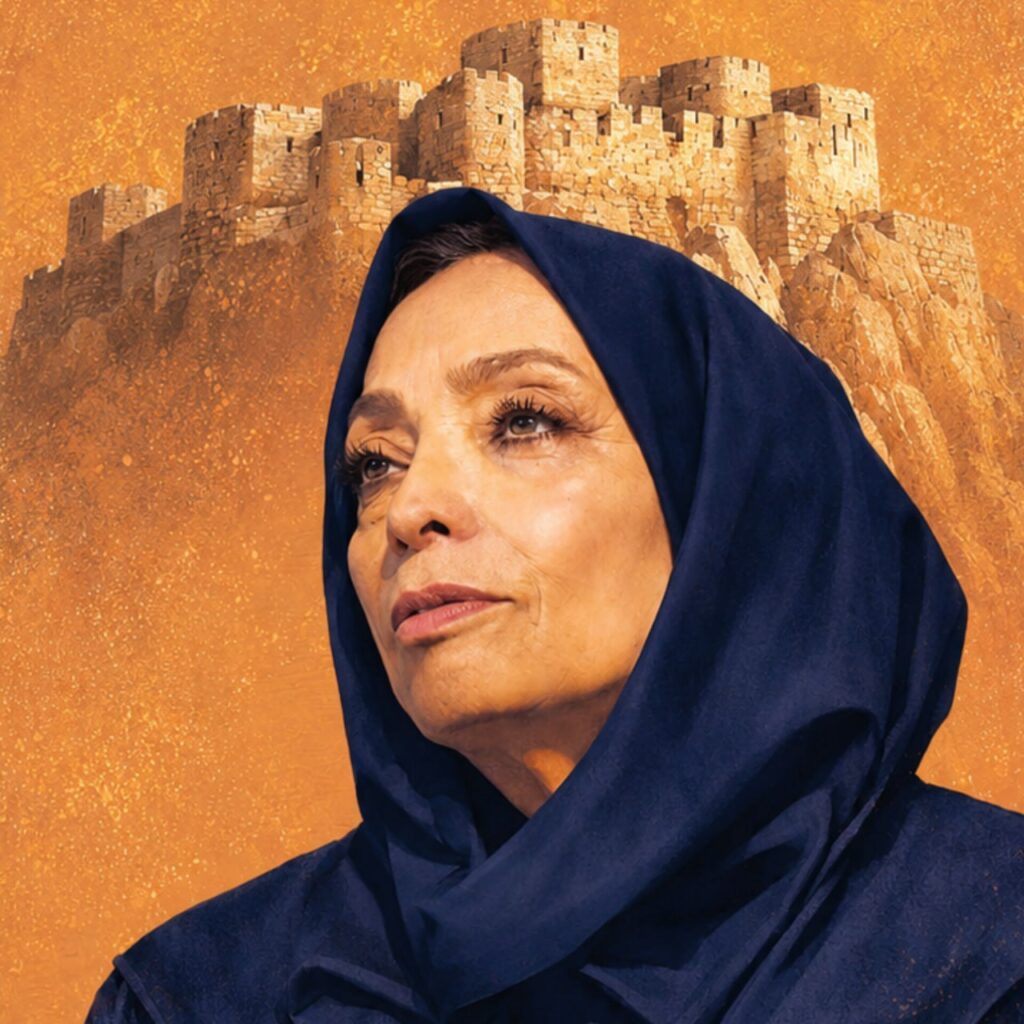
Dr. Hamideh Choubak, the Iranian archaeologist whose 25 years of dedication led to Alamut Castle’s inscription on UNESCO’s World Heritage List
In an interview with Sazandegi newspaper, Dr. Hamideh Choubak reflects on a quarter-century of archaeological excavations, conservation efforts, and her unwavering commitment to bringing Alamut Castle back to life.
After nearly 25 years of continuous archaeological excavations, painstaking restoration, and relentless work among the rugged cliffs of the Alborz Mountains, Alamut Castle and its associated defensive fortifications were finally inscribed as Iran’s 30th UNESCO World Heritage Site during the 48th session of the UNESCO World Heritage Committee in Busan, South Korea.
This international recognition is far more than another cultural achievement for Iran. It represents the culmination of more than two decades of tireless work by a team of archaeologists, heritage experts, and local communities led by Dr. Hamideh Choubak, who devoted a significant part of her professional life to the fortress perched 2,163 meters above sea level.
When archaeological investigations at Alamut began in 2001, years of neglect and natural erosion had reduced the once-mighty fortress to little more than an earthen mound, with only fragments of its walls still visible.
A Woman’s Epic in the Heart of the Mountains
Among the Iranian delegation attending UNESCO’s session, the emotional figure of Dr. Hamideh Choubak stood out. Widely regarded as one of Iran’s leading specialists in Islamic archaeology, Choubak has spent more than a quarter of a century excavating, preserving, and demonstrating the Outstanding Universal Value of Alamut.
UNESCO Criteria and Local Community Support
Alamut was inscribed under UNESCO’s Criterion (iii), which recognizes sites that bear exceptional testimony to a cultural tradition or civilization.
In its official statement, UNESCO described Alamut as the political, intellectual, and religious center of the Nizari Ismailis, whose influence extended far beyond the geographical borders of present-day Iran.
The Woman Who Stood by the “Eagle’s Nest” for 25 Years
In the late 1990s and early 2000s, Iran’s Cultural Heritage Organization introduced a management model based on specialized heritage bases, assigning permanent teams to oversee research, conservation, restoration, and site management. Similar approaches had already proven successful at sites such as Persepolis, Susa, and Haft Tappeh.
Alamut became one of these specialized heritage bases, with Dr. Choubak appointed to lead the ambitious project.
Speaking to Sazandegi, she recalled:
“Alamut was one of the most neglected heritage sites in Iran. At the time, it had not even been nationally registered, nor had its legal boundaries been defined. I had the privilege of taking responsibility for this major project with the support of Engineer Mohammad Beheshti and Engineer Golshan.”
An Interdisciplinary Vision
From the outset, the Alamut Research Base adopted an interdisciplinary approach. The objective extended beyond studying a single fortress—it sought to understand and preserve an entire historical and cultural landscape.
“We brought together specialists from various disciplines to examine Alamut from every possible perspective. Our goal was not only to study the fortress itself but also its broader cultural landscape, ultimately preparing it for World Heritage nomination,” Choubak explained.
Twenty-Five Years of Excavation: From Forgotten Ruins to World Heritage
According to Dr. Choubak, continuous archaeological research formed the cornerstone of Alamut’s successful nomination.
“Without these excavations,” she noted, “there simply would have been no Alamut Castle left to nominate for UNESCO recognition.”
Years of systematic excavation uncovered extensive architectural remains, clarified the site’s historical significance, and provided the scientific documentation required for the nomination dossier.
World Heritage Status Marks a New Beginning
For Dr. Choubak, UNESCO inscription is not the end of the journey but the beginning of new responsibilities.
“Now that Alamut, together with its seven castles and six associated defensive structures, has been inscribed, we are committed to fulfilling the management obligations we pledged to UNESCO. These include improving access roads, implementing comprehensive tourism plans, and developing the necessary infrastructure.”
A Catalyst for Regional Development
Dr. Choubak believes that World Heritage recognition represents more than a cultural achievement—it is a powerful opportunity for sustainable regional development.
“UNESCO inscription creates new opportunities for the region through job creation, tourism development, and broader economic and social growth,” she said.
A Story of Perseverance
Dr. Hamideh Choubak’s story is not simply the story of a successful World Heritage inscription. It is the story of 25 years of perseverance, standing by a forgotten fortress that had not even been recognized as a national monument when her work began.
Today, thanks to that dedication, Alamut Castle has secured its place among the world’s most treasured cultural landmarks, ensuring that the legacy of one of Iran’s most remarkable historical sites will be preserved for future
generations.
ترجمه به فارسی :
خداوند الموت
حمیده چوبک، باستانشناس ایرانی که به همت او قلعه الموت ثبت میراث جهانی شد در گفتوگو با سازندگی از ۲۵سال کاوش و تلاش خود برای احیای آن میگوید
پس از حدود ۲۵ سال کاوشهای مداوم باستانشناسی، لایهبرداری و جدال با صخرههای سخت البرز، سرانجام در چهلوهشتمین اجلاس کمیته میراث جهانی یونسکو در شهر بوسان، «دژ الموت و استحکامات دفاعی وابسته به آن» بهعنوان سیامین اثر تاریخی ایران در فهرست میراث جهانی یونسکو به ثبت رسید. این موفقیت بینالمللی تنها یک خبر رسمی برای میراث فرهنگی ایران نیست؛ بلکه ثمره بیش از دو دهه تلاش خستگیناپذیر تیمی از باستانشناسان، کارشناسان و جوامع بومی منطقه به سرپرستی دکتر حمیده چوبک است که عمر و زندگی خود را در ارتفاعات ۲۱۶۳ متری این دژ تاریخی گذراندند. وقتی پروژه مطالعاتی پایگاه الموت در سال ۱۳۸۰ آغاز شد، این محوطه تاریخی بر اثر سالها رهاشدگی و فرسایش طبیعی به تپهای خاکی تبدیل شده بود که تنها بخشهای اندکی از دیوارهای آن به چشم میآمد. حماسهای زنانه در قلب صخرهها در میان اعضای هیأت ایرانی حاضر در نشست یونسکو، چهره اشکآلود دکتر حمیده چوبک بیش از هر چیز جلبتوجه میکرد. چوبک از برجستهترین باستانشناسان دوره اسلامی و مدیر پایگاه الموت بیش از یکچهارم قرن از زندگی حرفهای خود را صرف کاوش، حفاظت و اثبات ارزش برجسته جهانی این منطقه کرده است. معیارهای یونسکو و همراهی جامعه محلی ثبت جهانی الموت براساس معیار سوم یونسکو انجام شد؛ معیاری که گواهی استثنایی بر یک سنت فرهنگی یا تمدنی زنده یا از میانرفته را طلب میکند. یونسکو در توصیف رسمی خود الموت را مرکز سیاسی، فکری و مذهبی اسماعیلیان نزاری دانست که اثراتش فراتر از مرزهای جغرافیایی ایران امتداد داشته است. حمیده چوبک؛ زنی که ۲۵ سال پای «آشیانه عقابها» ایستاد در اواخر دهه ۷۰ و اوایل دهه ۸۰ در سازمان میراث فرهنگی این نگاه شکل گرفت که مدیریت آثار تاریخی باید برعهده پایگاههای تخصصی باشد؛ پایگاههایی که به دلیل حضور دائمی در محل، بتوانند همزمان مسئولیت پژوهش، حفاظت، مرمت و مدیریت اثر را برعهده بگیرند. این الگو پیش از آن نیز در برخی مجموعههای تاریخی مانند تختجمشید، شوش و هفتتپه تجربه شده بود. روایت یک افتخار حمیده چوبک درباره آغاز این مسیر با «سازندگی» گفتوگو میکند و میگوید: «الموت یکی از آثاری بود که بسیار مغفول مانده بود. حتی قلعه الموت ثبت ملی نشده بود و تعیین عرصه و حریم آن نیز انجام نشده بود. من این افتخار را داشتم که با تأیید آقای مهندس بهشتی و آقای مهندس گلشن مسئولیت این پروژه بزرگ را برعهده بگیرم». ❇️ پس از شکلگیری پایگاه، رویکرد تیم پژوهشی الموت بر مبنای مطالعات میانرشتهای قرار گرفت؛ چراکه هدف تنها شناخت یک قلعه نبود بلکه بازخوانی یک منظر تاریخی و فرهنگی گسترده بود؛ «ما تلاش کردیم از همه دانشها استفاده کنیم؛ از تخصصهای مختلف کمک گرفتیم تا موضوع الموت را از ابعاد گوناگون بررسی کنیم. در آغاز هدف ما دژ الموت و منظر فرهنگی آن بود و میخواستیم آن را برای ثبت جهانی آماده کنیم». ۲۵ سال کاوش؛ از یک دژ خاموش تا یک میراث جهانی دکتر چوبک در ادامه گفتوگوی خود به سازندگی میگوید: یکی از مهمترین بخشهای مسیر ثبت جهانی الموت حضور مستمر پایگاه پژوهشی و انجام مطالعات و کاوشهای باستانشناسی بود. حمیده چوبک معتقد است اگر این پژوهشها انجام نمیشد اساساً چیزی بهنام «قلعه الموت» برای ثبت جهانی وجود نداشت. ثبت جهانی؛ آغاز مسئولیتی تازه با ثبت جهانی الموت، وظیفه مدیریت این محوطه تاریخی وارد مرحلهای جدید شده است. به گفته چوبک این پرونده دیگر تنها یک پروژه ملی نیست و اکنون تعهداتی بینالمللی برای ایران ایجاد کرده است؛ «ما اکنون در مرحلهای قرار داریم که به دلیل ثبت جهانی قلعه الموت و ۷ قلعه و ۶ استحکامات دفاعی آن باید مدیریت کنیم. این موضوع جزو تعهداتی است که به یونسکو ارائه دادهایم؛ از جمله اینکه راههای دسترسی، طرحهای جامع گردشگری و زیرساختهای لازم فراهم شود». فرصتی برای توسعه منطقه ثبت جهانی الموت از نگاه مدیر پایگاه پژوهشی آن تنها یک موفقیت میراثی نیست؛ بلکه فرصتی برای توسعه منطقهای است که سالها در سایه این دژ تاریخی زندگی کرده است. چوبک میگوید: «ثبت جهانی شدن، فرصتی برای توسعه منطقه از هر نظر است؛ از نظر کارآفرینی، گسترش گردشگری و ابعاد مختلف دیگر».
روایت حمیده چوبک از الموت، روایت یک ثبت جهانی صرف نیست؛ روایت ۲۵ سال ماندن پای یک دژ فراموش شده است؛ از روزهایی که قلعه حتی ثبت ملی نشده بود تا امروز که نام آن در فهرست میراث جهانی یونسکو قرار گرفته است./روزنامه