

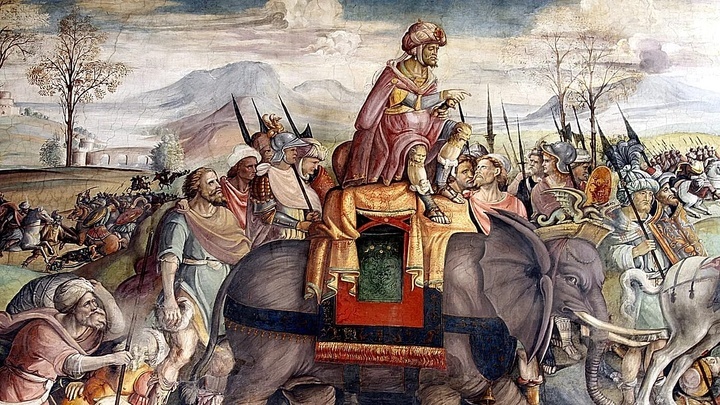
Archaeologists in southern Spain have announced the discovery of a 2,200-year-old bone fragment which researchers believe may have belonged to one of the war elephants of Hannibal, the famed Carthaginian commander.
According to Iran’s IRIB News Agency, a team of Spanish researchers has published the results of a new study reporting the discovery of elephant bone remains in southern Spain—findings that may be linked to one of the war elephants used by Hannibal’s army during the Second Punic War.
The study, published in the February issue of the specialized journal Archaeological Science, is based on analysis of a bone fragment found near the city of Córdoba in southern Spain. Its age has been estimated at roughly 2,200 to 2,250 years.
Hannibal, one of the most celebrated military commanders of the ancient world, famously crossed the Alps in the late third century BCE, leading the Carthaginian army into the heart of the Roman Republic—an operation that has become one of the most enduring military campaigns in history. Historical sources report that 37 war elephants accompanied the Carthaginian forces from the Iberian Peninsula to northern Italy.
Despite the event’s lasting fame, no direct archaeological evidence of these elephants had previously been available, and existing arguments were largely based on historical accounts and indirect environmental clues.
Rafael Martínez Sánchez, an archaeologist at the University of Córdoba and lead author of the study, described the discovery as a turning point in research on the Punic Wars. He believes these remains could represent the first physical, direct evidence of Carthaginian war elephants in the western Mediterranean.
The bone fragment was first uncovered in 2019 during archaeological excavations, but at the time its identity was unclear because it did not match the remains of animals native to the region. Further studies and morphological analyses in subsequent years showed that the specimen is in fact part of the joint of an elephant’s right front leg.
The remains were found at an ancient site within a soil layer that, based on dating tests, belongs to a period before Roman control of the area. The site lies within the boundaries of one of the fortified ancient settlements the Romans called oppida—centers previously used by Celtic peoples that played an important role in the political and military structure of the Iberian Peninsula.
Carthage, a major power in the western Mediterranean based on the coast of present-day Tunisia, relied on war elephants as one of its most important strategic tools on the battlefield during the Punic Wars, in an effort to maintain and expand its influence against the Roman Republic. These enormous animals served not only a military purpose but also symbolized the power and prestige of the Carthaginian army.
However, the bone’s exact origin is still under scientific investigation. Researchers have not yet been able to determine with certainty whether the remains belong to an Asian elephant or to a now-extinct type of African elephant that, according to some theories, was used by the Carthaginians for military purposes.
Experts note that regardless of the species identification, the discovery is highly significant for archaeology and military history, as it provides tangible evidence of elephants’ presence in the political and military landscape of the western Mediterranean during one of the most critical periods of ancient history.
The find may also pave the way for broader research into the routes taken by Carthaginian armies, the logistical structure of Hannibal’s campaigns, and the role of war elephants in the military dynamics of the ancient world—an area that remains one of the most fascinating and debated fields within military archaeology and Mediterranean history.
ترجمه به فارسی
کشف استخوانی ۲۲۰۰ ساله در اسپانیا
باستانشناسان در جنوب اسپانیا از کشف قطعهاستخوانی ۲۲۰۰ ساله خبر دادهاند که به باور پژوهشگران ممکن است به یکی از فیلهای جنگی هانیبال، فرمانده نامدار کارتاژ، تعلق داشته باشد.
گروهی از پژوهشگران اسپانیایی با انتشار نتایج مطالعهای جدید از کشف بقایای استخوانی یک فیل در جنوب اسپانیا خبر دادهاند؛ یافتهای که احتمال میرود به یکی از فیلهای جنگی ارتش هانیبال، فرمانده برجسته کارتاژ در جریان جنگ دوم پونیک، تعلق داشته باشد.
نتایج این پژوهش که در شماره فوریه نشریه تخصصی «علوم باستانشناسی» منتشر شده، بر پایه بررسی قطعهاستخوانی استوار است که در نزدیکی شهر کوردوبا در جنوب اسپانیا کشف شده و قدمت آن حدود ۲۲۰۰ تا ۲۲۵۰ سال برآورد شده است.
هانیبال، یکی از برجستهترین فرماندهان نظامی جهان باستان، در اواخر سده سوم پیش از میلاد با عبور تاریخی از رشتهکوه آلپ، ارتش کارتاژ را به قلب قلمرو جمهوری روم رساند؛ رخدادی که به یکی از ماندگارترین عملیاتهای نظامی تاریخ تبدیل شد. منابع تاریخی روایت میکنند که ۳۷ فیل جنگی در این لشکرکشی عظیم، سپاه کارتاژ را از شبهجزیره ایبری تا شمال ایتالیا همراهی کردند.
با وجود شهرت گسترده این رویداد، تاکنون هیچ مدرک مستقیم باستانشناختی از حضور این فیلها در اختیار پژوهشگران قرار نداشت و شواهد موجود عمدتا بر دادههای تاریخی و نشانههای غیرمستقیم محیطی استوار بود.
رافائل مارتینس سانچس، باستانشناس دانشگاه کوردوبا و سرپرست این پژوهش، این کشف را نقطه عطفی در مطالعات جنگهای پونیک توصیف کرده و معتقد است این بقایای استخوانی میتواند نخستین شاهد فیزیکی و مستقیم از حضور فیلهای جنگی کارتاژ در غرب مدیترانه باشد.
این قطعه استخوان نخستین بار در سال ۲۰۱۹ طی کاوشهای باستانشناسی کشف شد، اما در آن زمان به دلیل عدم تطابق با بقایای جانوران بومی منطقه، ماهیت آن مشخص نبود. مطالعات تکمیلی و بررسیهای ریختشناختی در سالهای بعد نشان داد که این نمونه در واقع بخشی از مفصل پای راست جلویی یک فیل است.
این بقایا در محوطهای باستانی و در لایهای از خاک کشف شد که بر اساس آزمایشهای تاریخگذاری، به دوره پیش از تسلط روم بر منطقه بازمیگردد. این محوطه در محدوده یکی از سکونتگاههای مستحکم باستانی قرار دارد که رومیان آنها را «اوپیدا» مینامیدند؛ مراکزی که پیشتر توسط اقوام سلت مورد استفاده قرار میگرفت و نقش مهمی در ساختار سیاسی و نظامی شبهجزیره ایبری ایفا میکرد.
کارتاژ، قدرت بزرگ مدیترانه غربی که در ساحل تونس امروزی استقرار داشت، در طول جنگهای پونیک برای حفظ و گسترش نفوذ خود در برابر جمهوری روم از فیلهای جنگی به عنوان یکی از مهمترین ابزارهای راهبردی در میدان نبرد بهره میبرد. این حیوانات عظیمالجثه نه تنها کارکرد نظامی داشتند، بلکه نمادی از قدرت و هیبت ارتش کارتاژ محسوب میشدند.
با این حال، منشا دقیق این استخوان همچنان موضوع بررسیهای علمی است. پژوهشگران هنوز نتوانستهاند با قطعیت مشخص کنند که این بقایا به فیل آسیایی تعلق دارد یا به گونهای از فیلهای آفریقایی که امروزه منقرض شدهاند و بنا بر برخی فرضیهها توسط کارتاژیها برای اهداف نظامی مورد استفاده قرار میگرفتند.
متخصصان بر این باورند که صرفنظر از تعیین گونه جانوری، این کشف از منظر باستانشناسی و تاریخ نظامی اهمیت قابل توجهی دارد؛ زیرا شواهدی ملموس از حضور فیلها در فضای سیاسی و نظامی غرب مدیترانه طی یکی از حساسترین مقاطع تاریخ باستان ارائه میکند.
این یافته همچنین میتواند زمینهساز پژوهشهای گستردهتر درباره مسیرهای جابهجایی ارتش کارتاژ، ساختار لجستیکی لشکرکشیهای هانیبال و نقش فیلهای جنگی در معادلات نظامی جهان باستان باشد؛ موضوعی که همچنان یکی از جذابترین و بحثبرانگیزترین حوزههای مطالعاتی در باستانشناسی نظامی و تاریخ مدیترانه به شمار میرود.